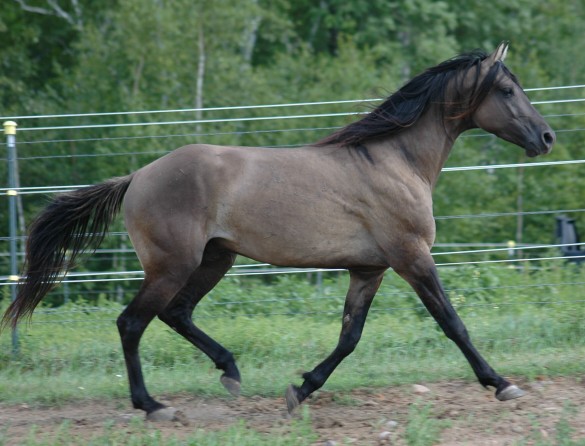
Here are some comon horse breeds that we mostly hear of. Remember there are many more horse breeds out there. (even mixed breeds.)
Arabian
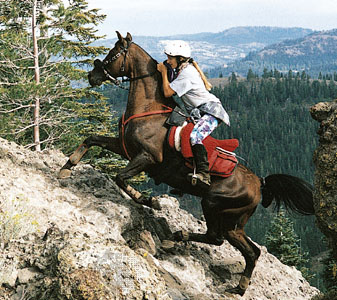
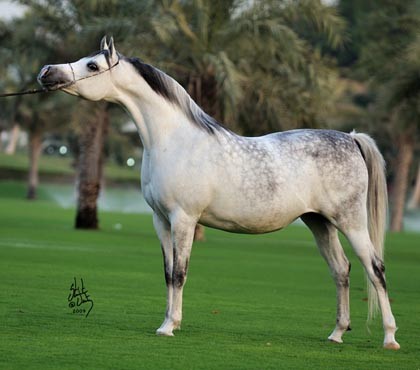
The Arabian horse is the oldest domestic breed, prized for its speed as well as its stamina. Its skeleton is different from that of all other horses, as it has 17 rather than 18 ribs, and fewer bones make up its backbone. Because of that this type of breed is used mostly for endurance races and cross-country jumping. Grows to 15 hands high.
Canadian cutting horse
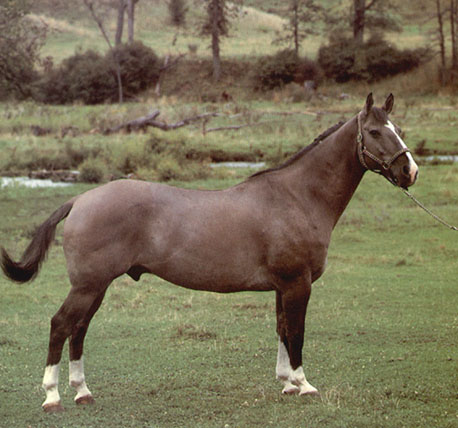
The Canadian cuttuing horse got its name from its ability to drive or "cut" a particular cow out of a herd. It will stay with the cow, stopping it from rejoining the rest of the herd. This horse looks very similar to the american quarter horse breed. Today this breed is mostly used for competing. Grows to 16 hands high.
Clydesdale
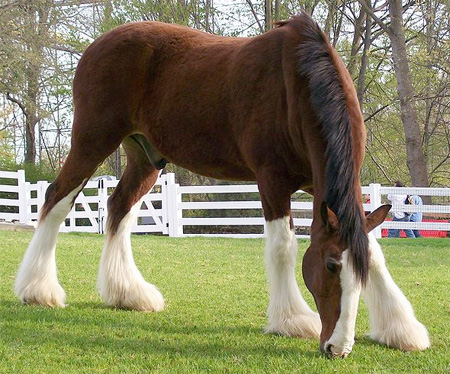
This huge horse comes from the clyde valley in scotland. It was taken to the U.S. more than 100 years ago, where it was used to pull heavy carts or carriages through city streets. Working teams of clydesdales can still be seen at agricultural fairs. The clydesdale may look like a shire horse, but it has a longer neck and a much more lively stride. grows to 18 hands high.
Danish Warmblood
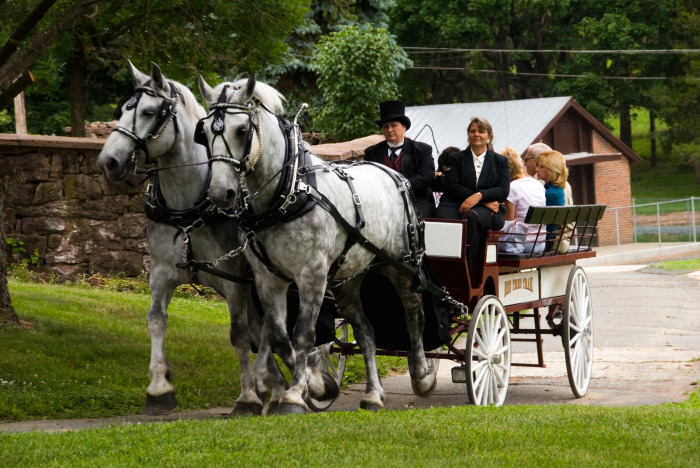
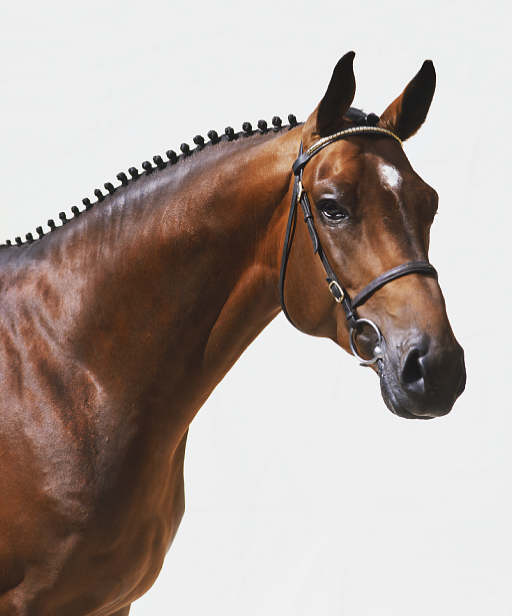
This popular competition horse often takes part in jumping and dressage events. All warmblood breeds are descended from arabians or toroughbreds. The danish warmblood was bred by crossing toroughbreds with Frederiksborgs. grows to 16.2 hands high.
Friesian
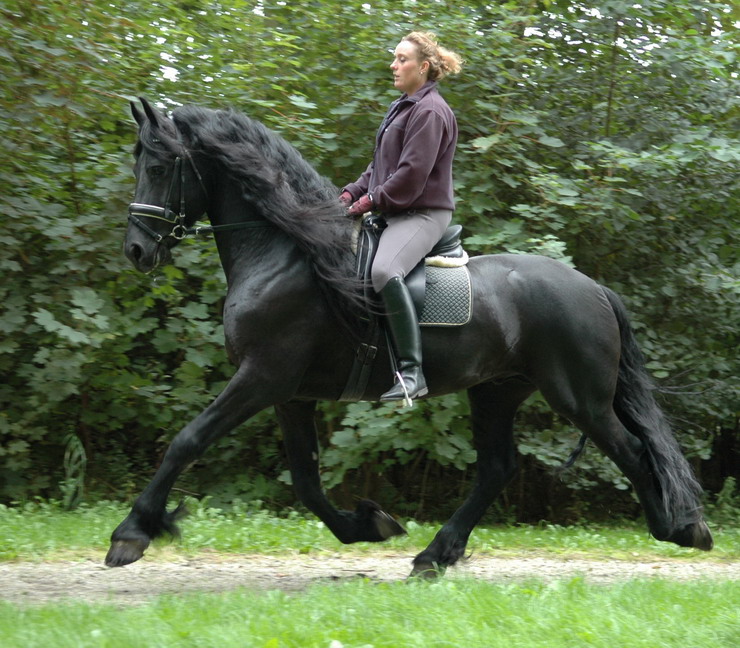
The friesians' ancestors were ridden hundreds of years ago by knights in battle. it is one of the oldest european breeds. The friesian is named after the area of friesland on the northern coast of the netherlands, where this breed has been kept for centuries. It has a black coat, wavy hair and feathering around its feet, which is often seen in heavy horse breeds. grows to 15 hands high.
Gelderlander
Named after the dutch province of gelder, the gelderlander was bred there more than 100 years ago to pull carriages and work on farms, as well as for riding. otday, it often takes part in driving competitions. many consider the gelderlander to be an excellent show jumper. grows to 16.2 hands high.
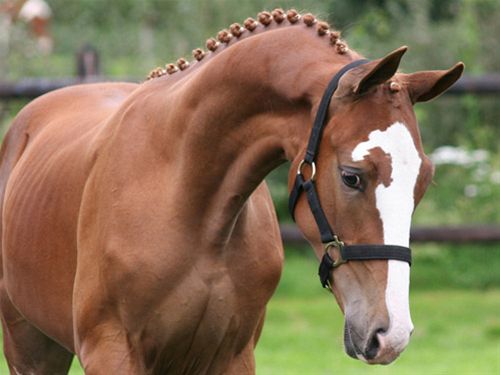
Hanoverian
The hanovarian, named after an area of germany, is a popular competition horse that is used for both show jumping and dressage. it is agile, athletic, and intelligent, so it can be trained quite easily. The hanoverian is a result of crossbreeding between holstein and toroughbred horses, more than 250 years ago. grows to 16.2 hands high.
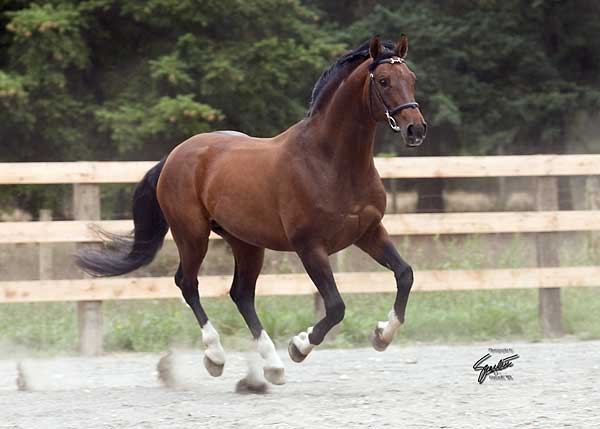
Holstein
The holstein was first kept as a coach horse, but when cars took over from horses, it was developed into a competition horse. This was achieved by crossbreeding with toroughbreds. The stamina and athletic ability of the holstein mean that it is popular for cross-country racing. it also take part in show jumping competitions. grows to 17 hands high.
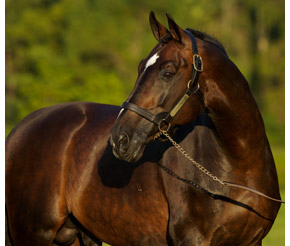
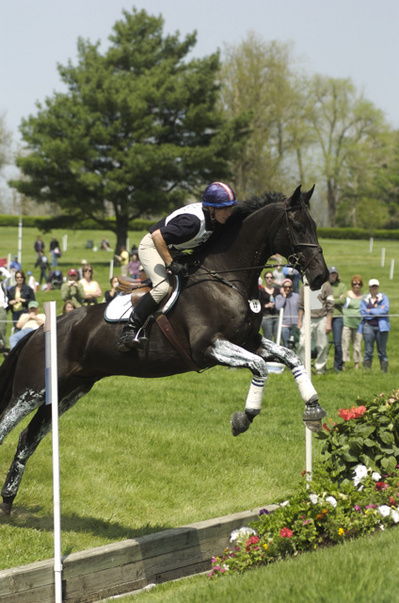
Hunter
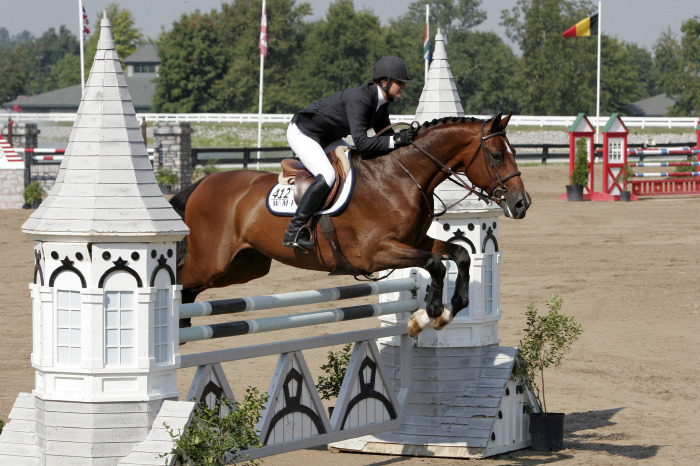
The hunter is not a true breed, but a type of horse bred to suit its local countryside. Hunters that are ridden over flat, open country need to be fast, where as on rougher ground, more strenght is needed. Most hunters are based on crosses between toroughbreds and irish drafts horses, often with some mixing with cleveland bay or similar breeds. This breed is great for show jumping, cross-country and endurance races. grpws to 17 hands high.
Knabstrup
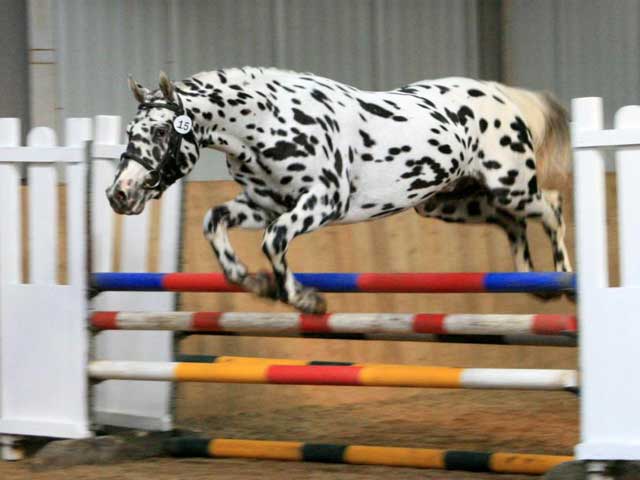
The good-natured, intelligent knabstrup is named after the estate in Denmark where the breed was developed. All knabstrups have a spotted pattering that extends down thier legs. Thier markings mean that individual horses can be recognized very easily. The knabstrup has been trained both as a circus horse and for stunt riding. grows to 15.2 hands high.
Lipizzaner
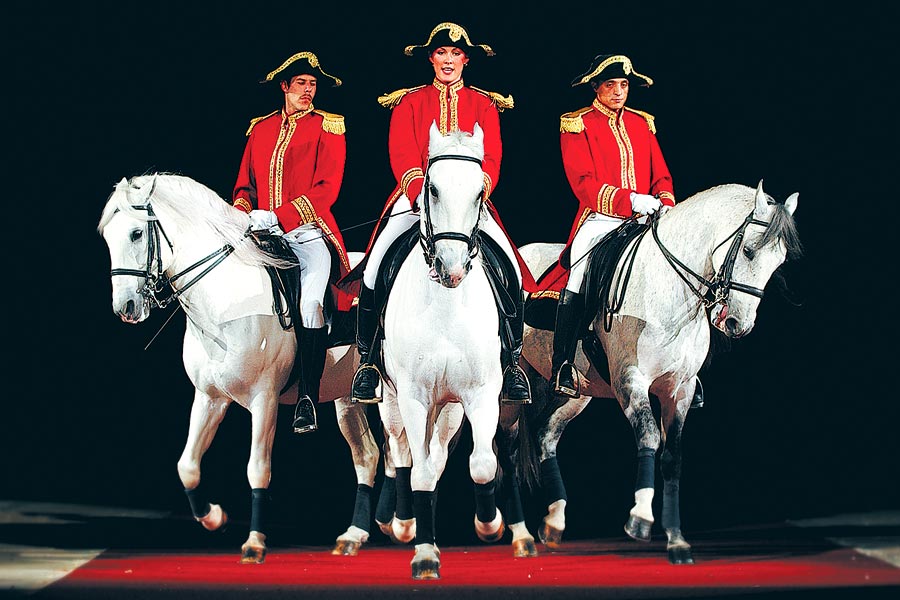
The famouse "white" stallions that preform in displays by the spanish riding school (based in Austria) are lippizzaners. They are actually pale gray in color. Some are born bay in color, and traditionally one bay is always included in a troupe of lippizzaners. Other colors, such as dun, exsisted up until 300 years ago. (These horses are mostly seen here in the famouse horse show called "Cavalia".) grows to 16.2 hands high.
Lusitano
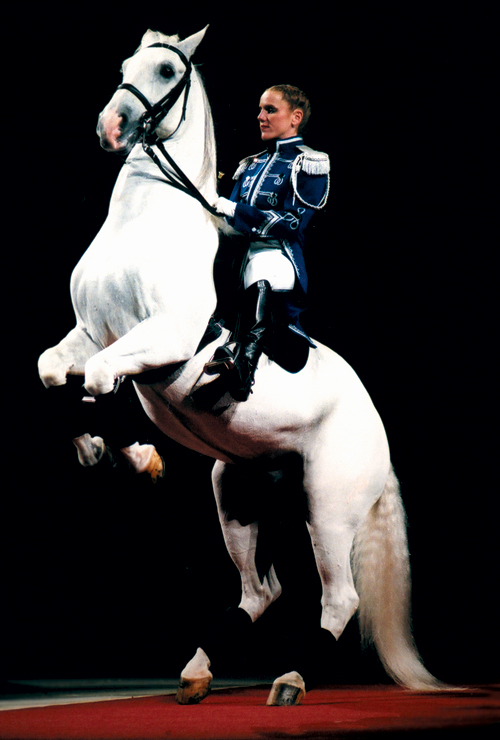
This portuguese breed is named after the country where it was first bred-portugal used to be called lusitania. The lusitano was first used as a warhorse and, because it is very agile, it is a good horse for riding purposes. It is often gray in color, but can also be chestnut or bay, and has a distinctive curved or "roman" nose. grows to 16 hands high.
Morgan
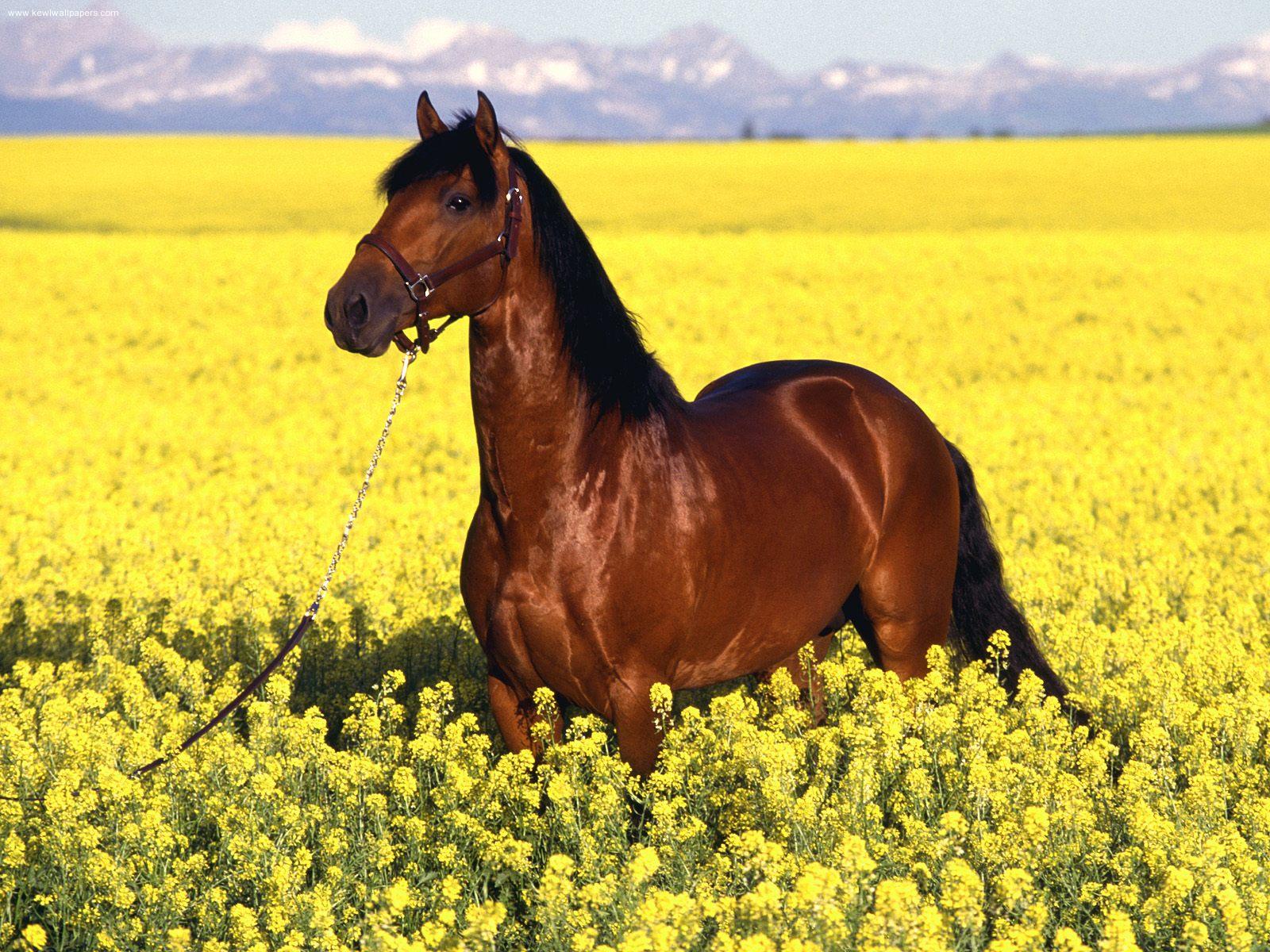
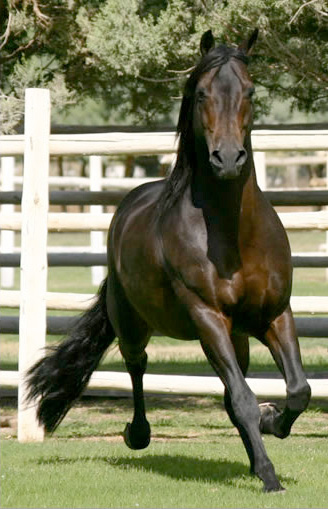
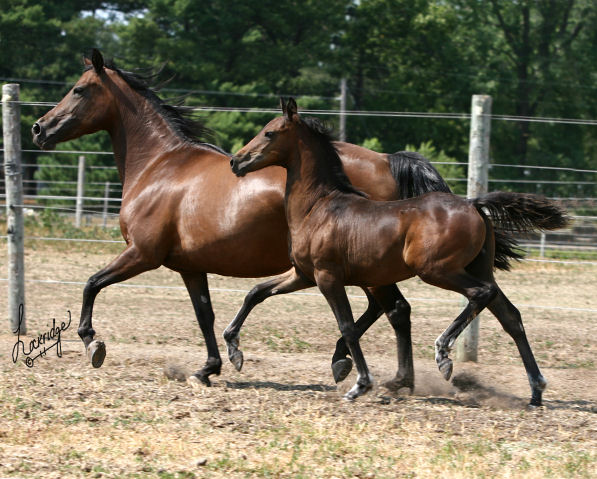
The morgan has played an important part in the development of many other north american horse breeds. Its origins can be traced back to a stallion called justin morgan, named after one of his owners. Bay in color, he measured only 14 hands, but whether racing or taking part in weight-pulling competitions, there was never another horse that could beat him. this breed today grows up to 15.2 hands high.
Oldenburg
The oldenburg is named after the province of germany where it was first bred more than 400 years ago. It was used as a carriage horse, often by the mail service. Crosses with toroughbreds changed the appearance and action of the oldenburg. It became lighter and developed a lower action. Today, oldenburgs often take part in dressage and driving competitions. grows to 17.2 hands high.
Paint Horse
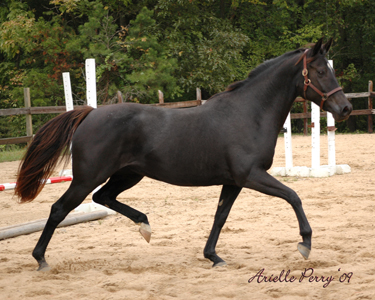
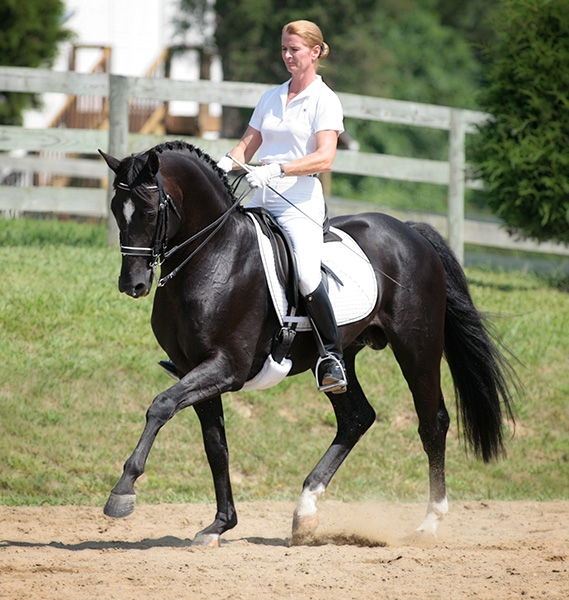
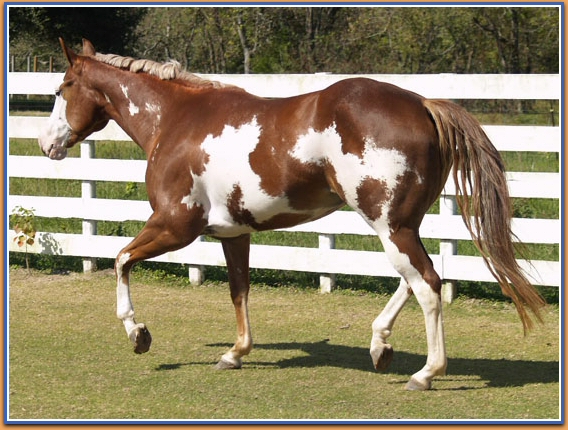
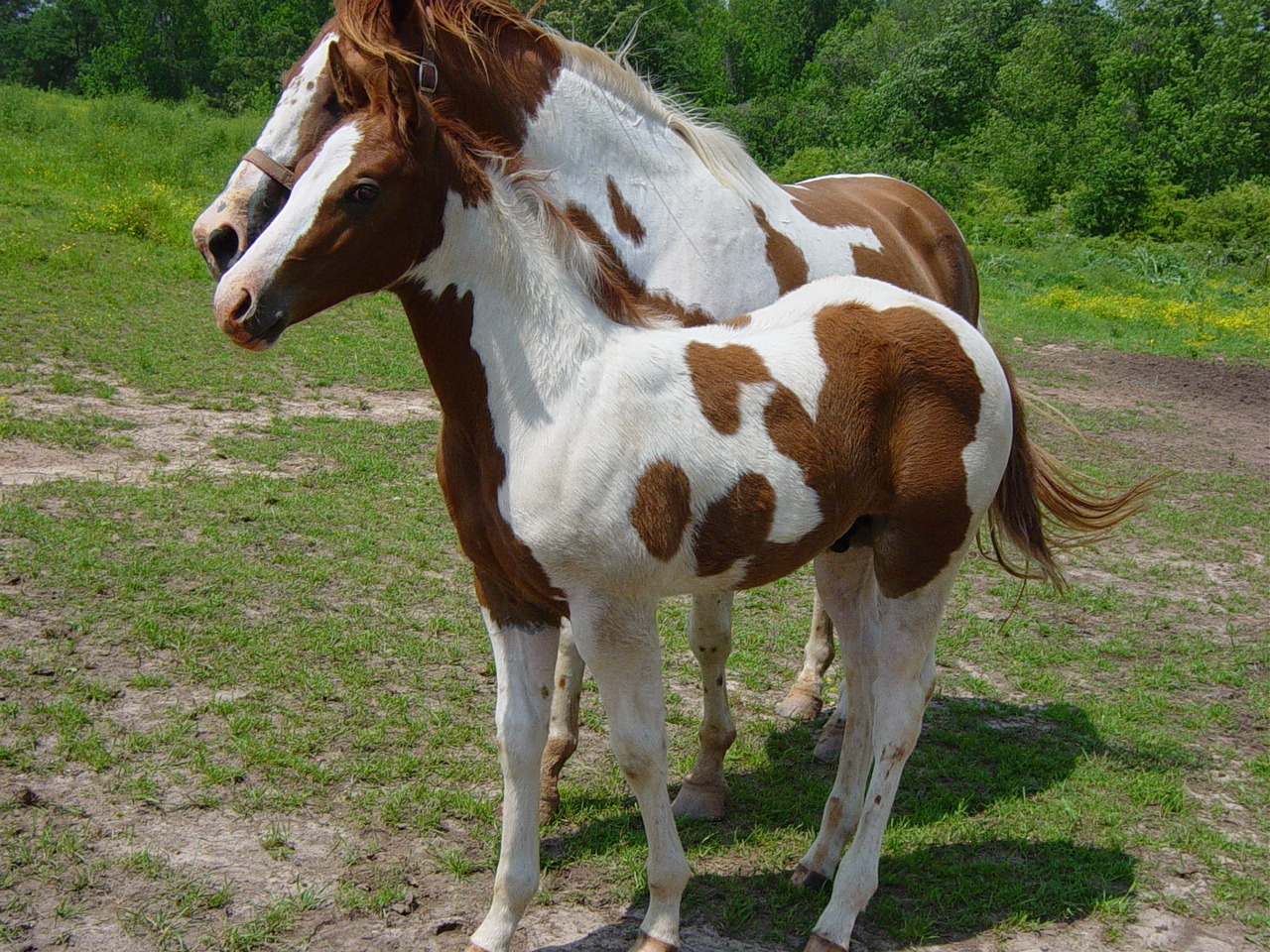
The paint horse was bred from spanish horses with white markings that where taken to the americas by european explorers. Some paint horses have jagged white marking on the sides of thier bodies. This coloring is called "overo patterning". Others have "tobiano pattering", where the coat is white with large spots of color. grows to 16 hands high.
Palamino
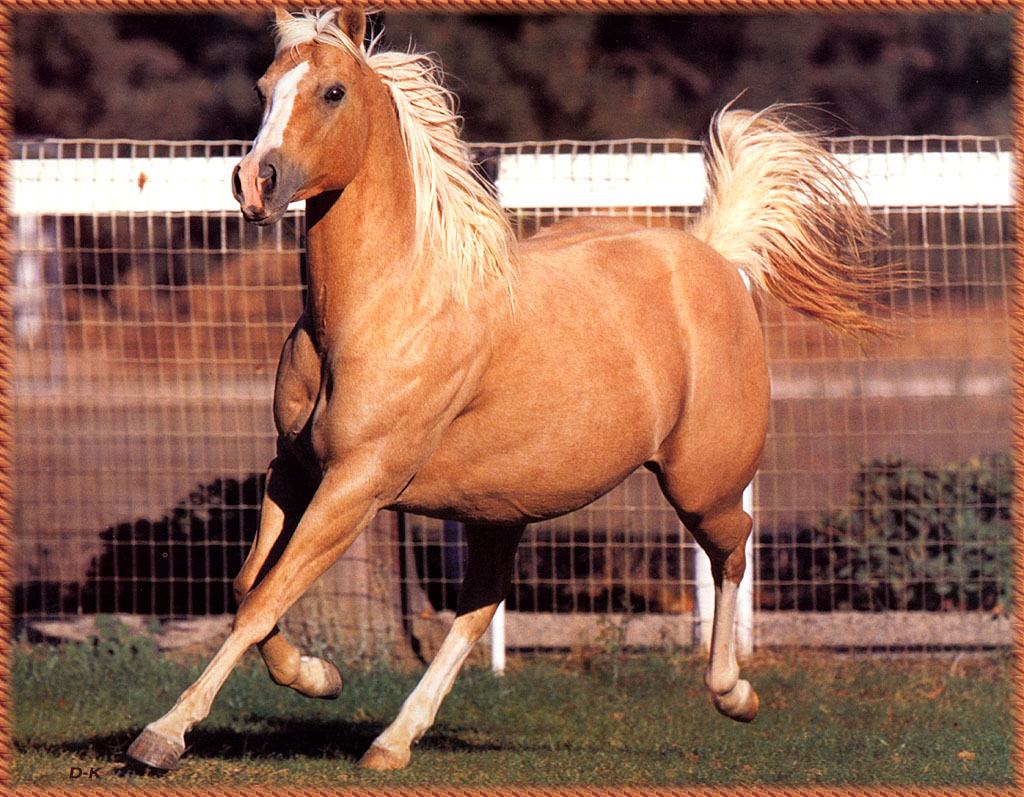
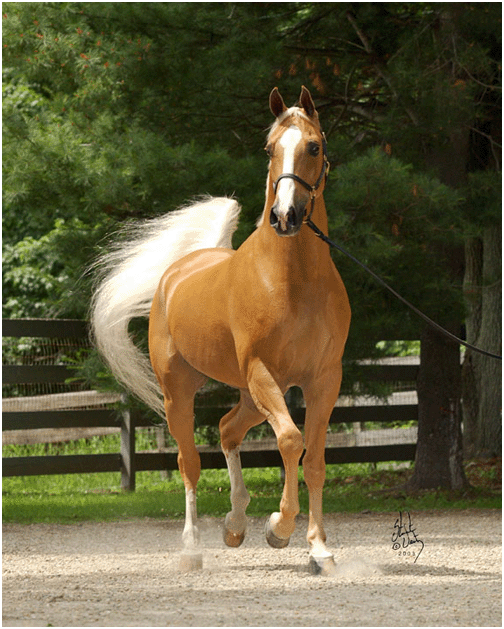
The name palamino comes from a spanish goledn grape. Many horse breeds have palamino coloration, but now breeders are trying to creat a distinctive breed with this coloring, using quarter horses, arabians, and toroughbreds. Some palaminos are darjer than others, but all have a silvery mane and tail. grows to 16 hands high.
Polo Pony
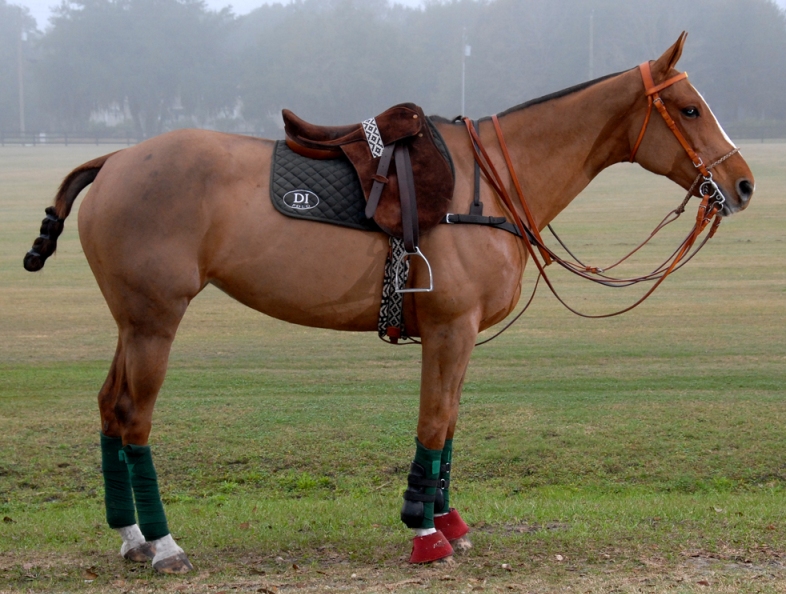
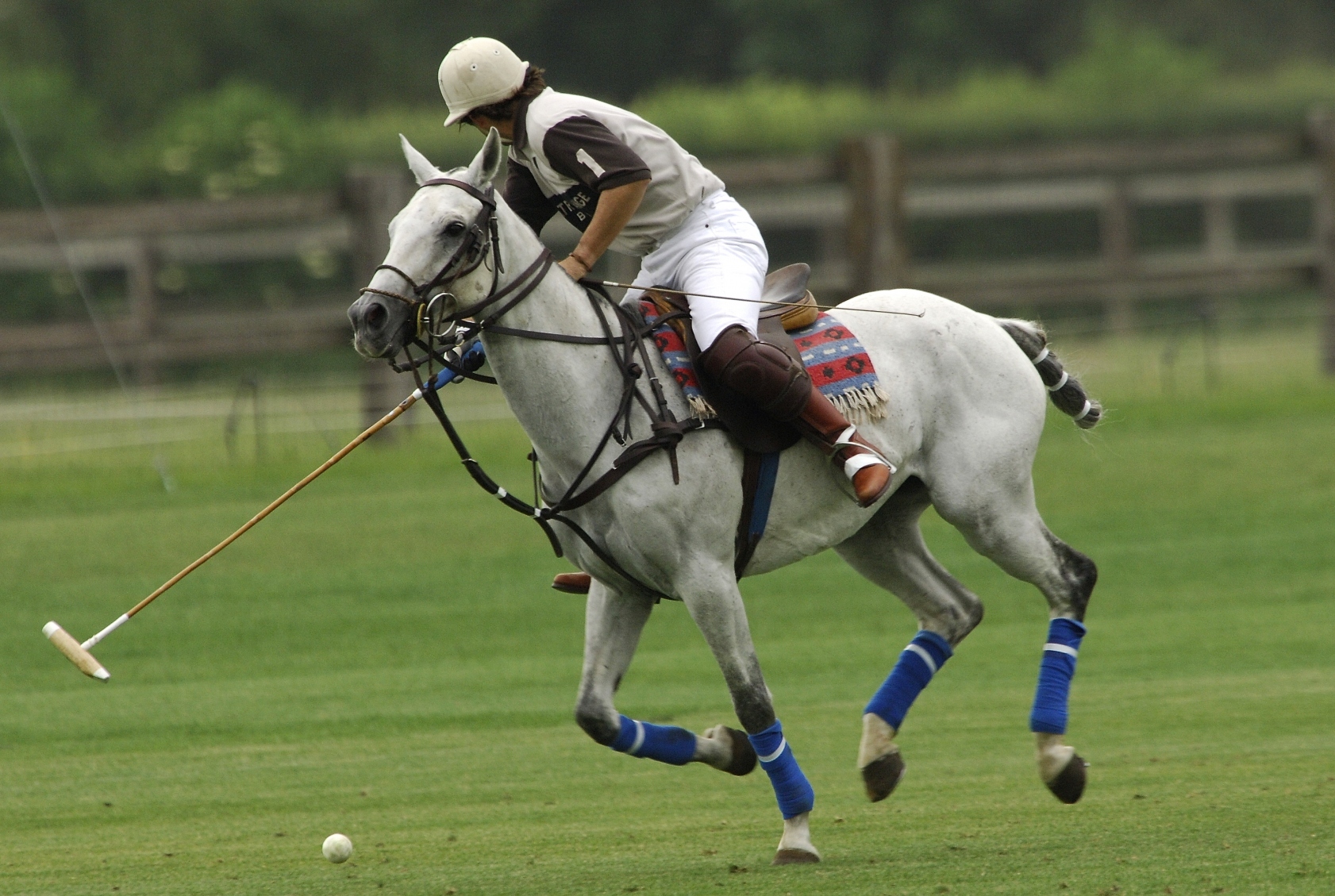
These horses have been especialy bred to take part in the game of polo. They need to be strong enough to carry an adult rider, and agile enough to turn in tight circles. A polo pony must also have a smooth action to allow its rider to hit the ball without difficulty. In the breeding of polo ponies, toroughbreds have been used for thier speed and criollos have helped to give strenght.
Appaloosa
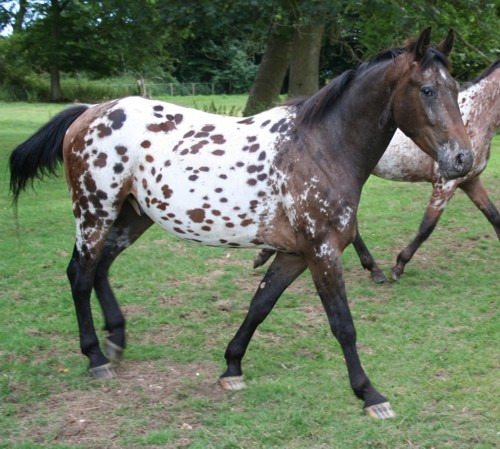
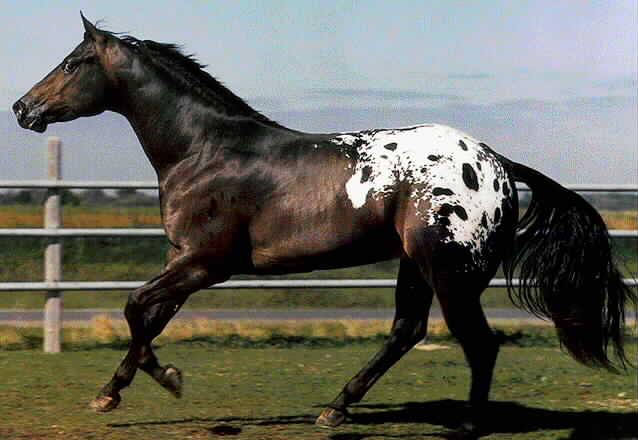
The appaloosa takes its name fromthe palouse river that runs trough the northeast Oregon, in the U.S. These spooted horses were first bred by an american indian tride called the Nez Perce, who lived in this area. This brave but gentle breed is now widely kept for riding purposes. the word "appaloosa" is used to descirbe a spotted coat pattern. grows to 15.2 hands high.
Quarter Horse
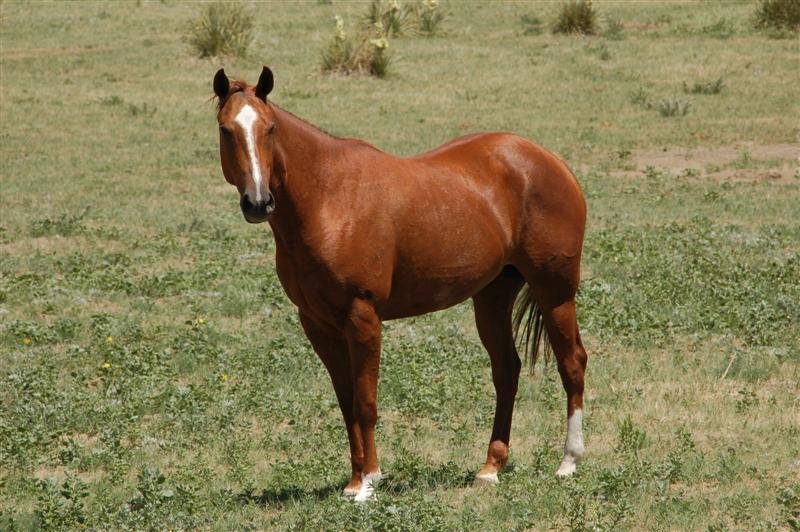
The quarter horse has become the most common breed of horse in the world today. It was first bred as a racehorse, and used to sprint over a course that was a quarter of a mile long. Since then, the quarter horse has been used for many different purposes, including western rising style, cattle work, polo and racing. grows to 16 hands high.
Riding pony
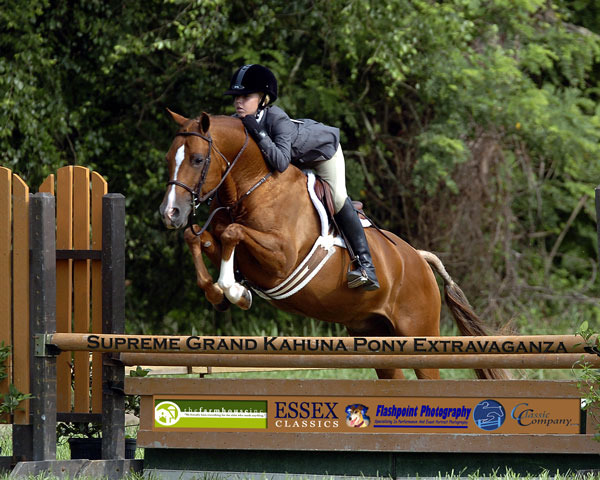
The riding pony is not a pure breed, but a type of pony. it was created in britain from a number of different breeds including welsh ponies. some small horses, especialy thoroughbreds and arabians, have also been used in it development. As a result of this, the riding pony's height is quite variable. grows to around 14.2 hands high.
Saddlebred
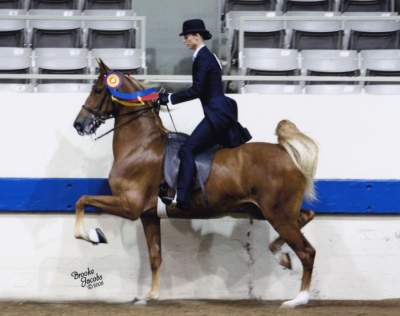
The saddlebred is very popular among the American "gaited" breeds. It has a very high action, and can be thaught to perform extra paces for dressage competitions. The saddlebred is also popular for trail riding because it gives a smooth ride even over rough ground. grows to 16 hands high.
Shetland Pony
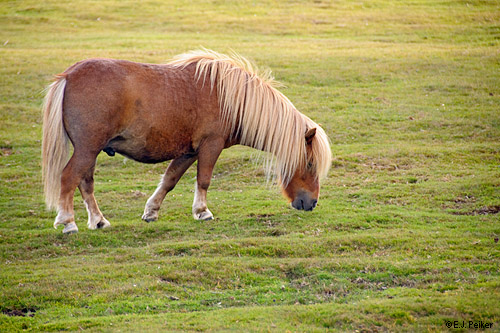
Short but strong, the shetland pony is a very popular children's riding pony. It is named after the islands off the northeast coast of scotland, where its ancestors have lived for up to 10,000 years. The shetland was useful to the islanders becuase it helped them to carry heavy sacks of peat that had been dug out of the ground for fuel. grows to 10 hands high.
Shire
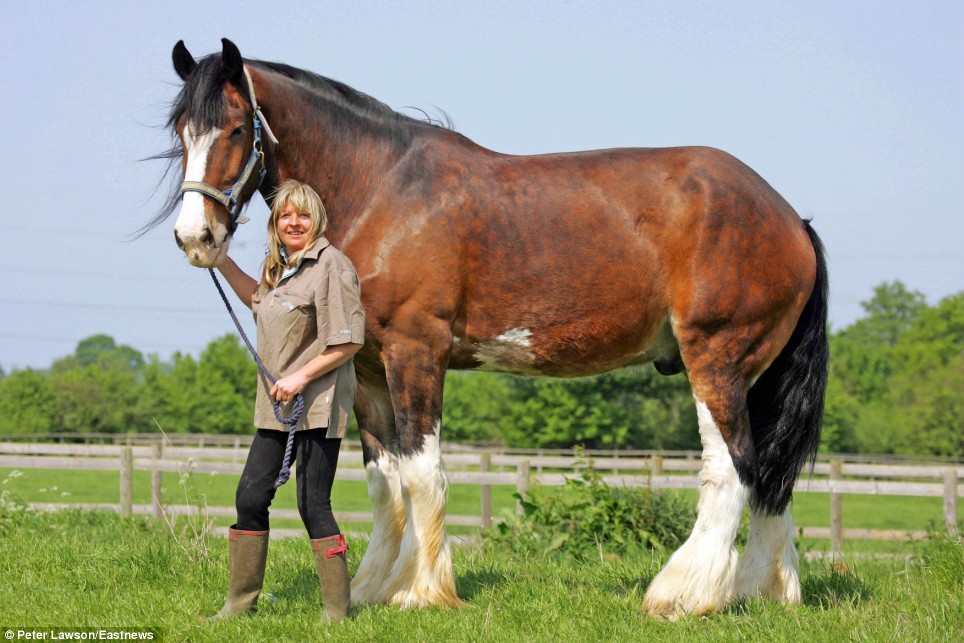
First bred in england, the shire horse is the biggest of the heavy horses. It is incredibly strong with a very friendly nature. This breed's history dates back to the medieval great horse that used to carry knights in heavy armor. Today, the Shire is kept as a draft horse (for pulling carts), and also takes part in ploughing competitions at agricultural shows.
Swedish Warmblood
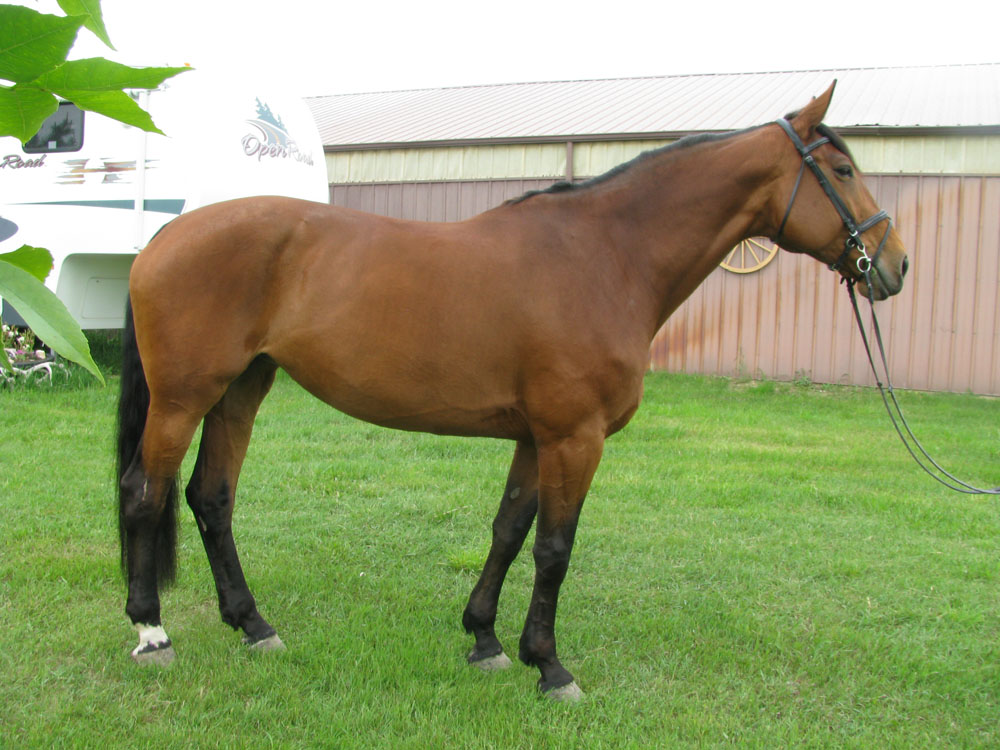
Many different breeds of horse were used to create the sweedish warmblood. It was first used in battles as a cavalary horse, and is now very popular as a competition horse. Its calm nature means that it does well in dressage competitions. The height and strenght of the sweedish warmblood also maen that it can jump very well. grows to 16.2 hands high.
Tennessee Walking Horse
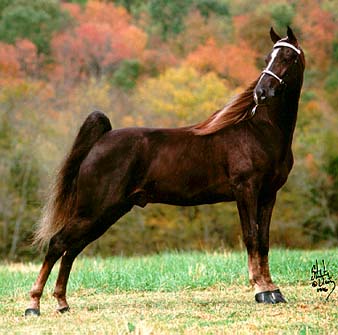
Coming from the southern state of tennessee, This walking horse has a very unusual walking gait inherited from a stallion called black allan. As well as its two walking paces, the tennessee walking horse also canters very smoothly. This horse is a comfortable ride, as well as being fast. It is sometimes black in color, just like black allan. grows to 16 hands high.
Thoroughbred
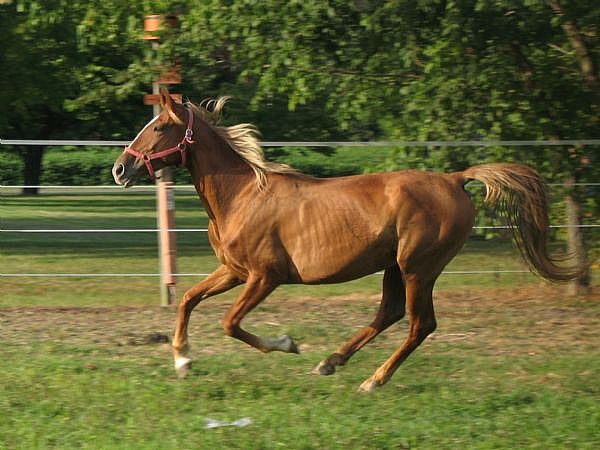
Bred for speed, the thoroughbred is often known simply as the racehorse. Today's thoroughbreds can be tracked back to three different stallions, called Byerley Turk, the Darley Arab, and the Godolphin Arab. They were crossed with running horses that were popular in england about 300 years ago, which helped to improve thier conformation and pace. grows to 16.2 hands high.
Cob
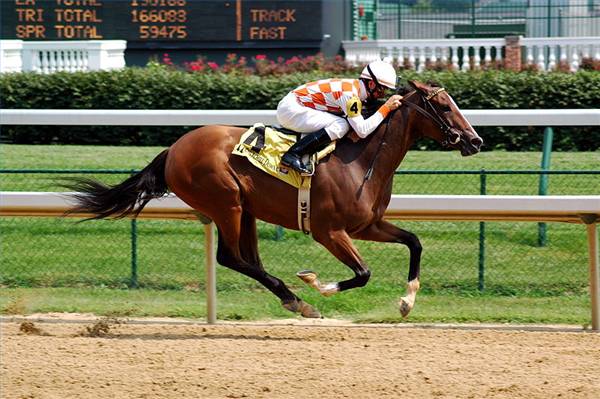
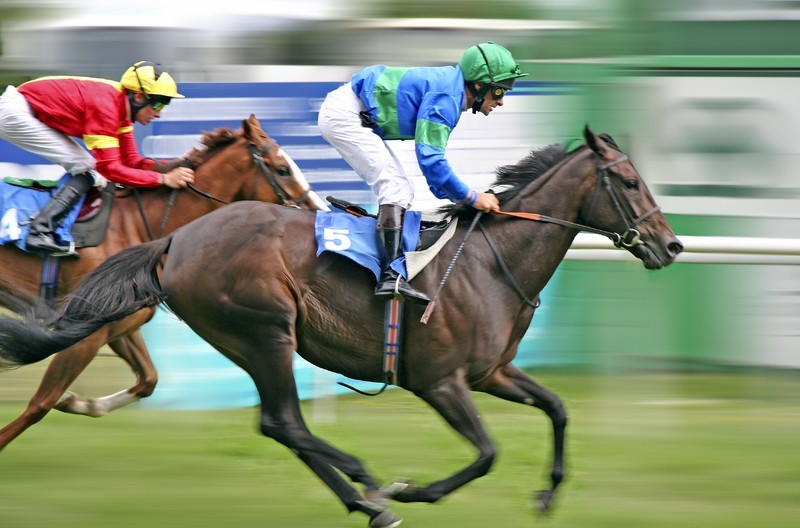
A cob is not a breed of horse, but a type of horse- it was bred by crossing different breeds. The cob's power and strenght mean that it is a popular riding horse for men, because it can carry thier weight easily. The mane of a cob is often cut short or "roached" to show off its muscular neck. grows to 15 hands high.
Hackney pony
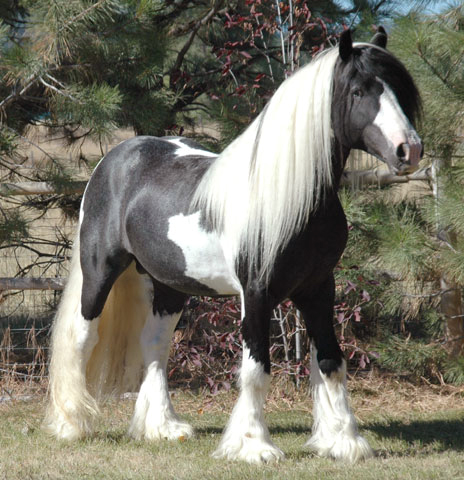
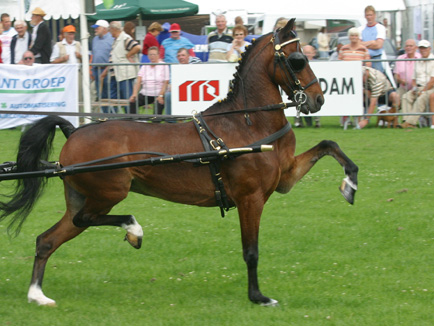
the hackney pony used to be called the wilson pony, after its breeder, Christopher Wilson. It is a very hardy breed that comes from the moors of cumbria in england's lake district. This pony's gait is unusal- it lifts its front legs very high with each step. It also holds up its tail up high. grows to 14 hands high.
Kentucky saddlebred
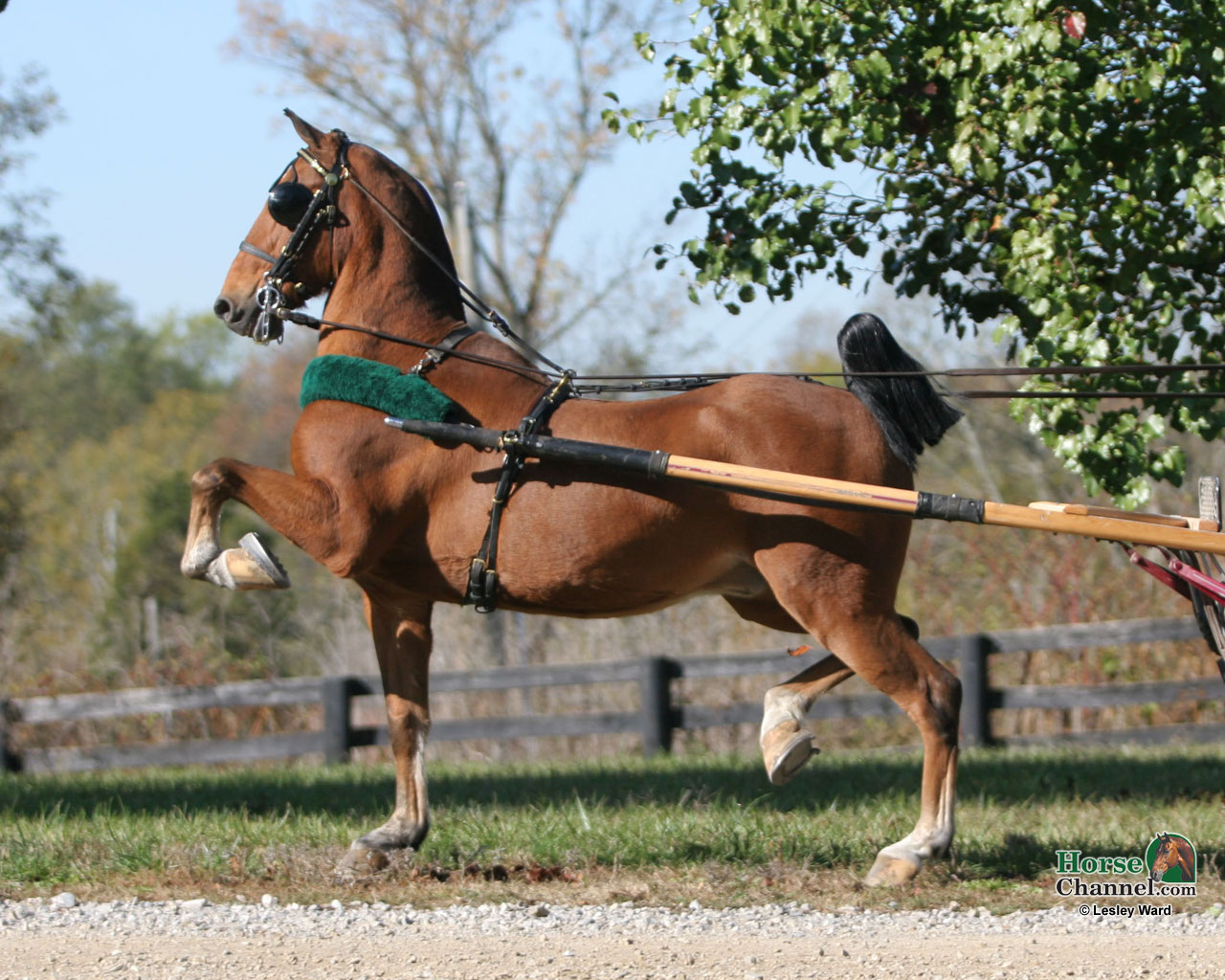
This is a "gaited horse", meaning that it is trained to carry out certain movements with a high action. Its front feet are allowed to grow long for this reason, and it is fitted with heavy shoes. Some saddlebreds are trained to carry out five different gaits. One of the gaits is called the "rack" - a fast gait where the front lages are lifted very high. grows to 16 hands high.
Missouri Fox Trotter
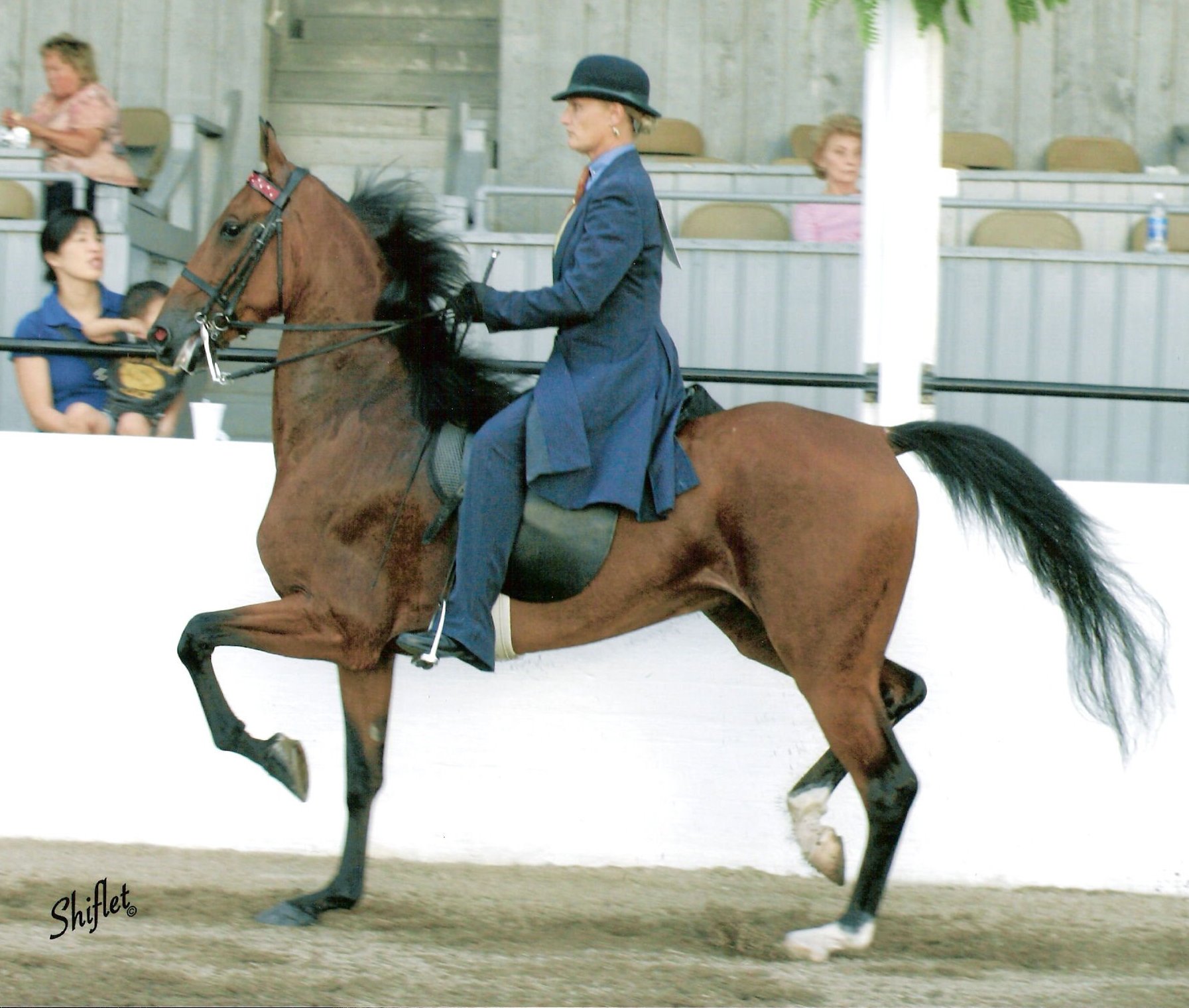
Bred in the Ozark mountains in the 1820s, the missouri fox trotter is one of the oldest native breeds of horse in the U.S. It is called a fox trotter because of it unusual gait-it appears to walk with its front legs and trot with its hind legs, which makes it comfortable to ride for long periods. For this reason, it became popu,ar with ranchers although it was first bred as a racehorse. grows to 16.2 hands high.